
When to visit
Crater wildlife viewing is rewarding throughout the year. July–September is a popular travel period; choose dates around your preferred conditions.
West of Arusha, Ngorongoro connects the Serengeti plains with the Great Rift Valley. Its conservation landscape supports extraordinary wildlife and Maasai communities.
An ancient volcanic collapse created the spectacular crater. Lakes, grasslands and wetlands shelter rich biodiversity, while nearby Olduvai Gorge reveals a remarkable chapter of human history.
Beyond the crater, highland scenery and the plains around Ndutu reveal another side of Ngorongoro. Add a visit to Olduvai Gorge to explore the region's archaeological heritage, or combine your crater safari with the Serengeti.
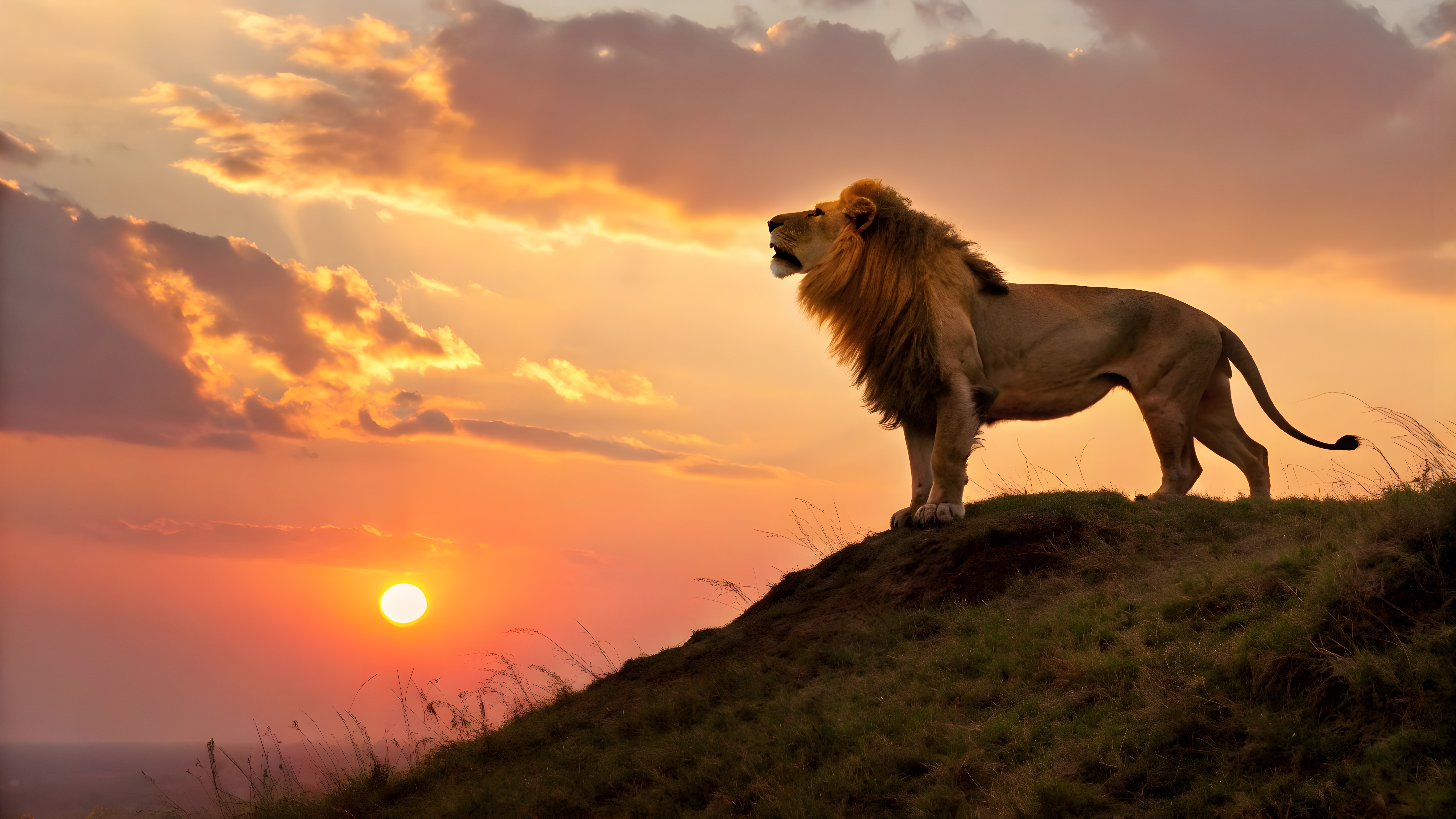
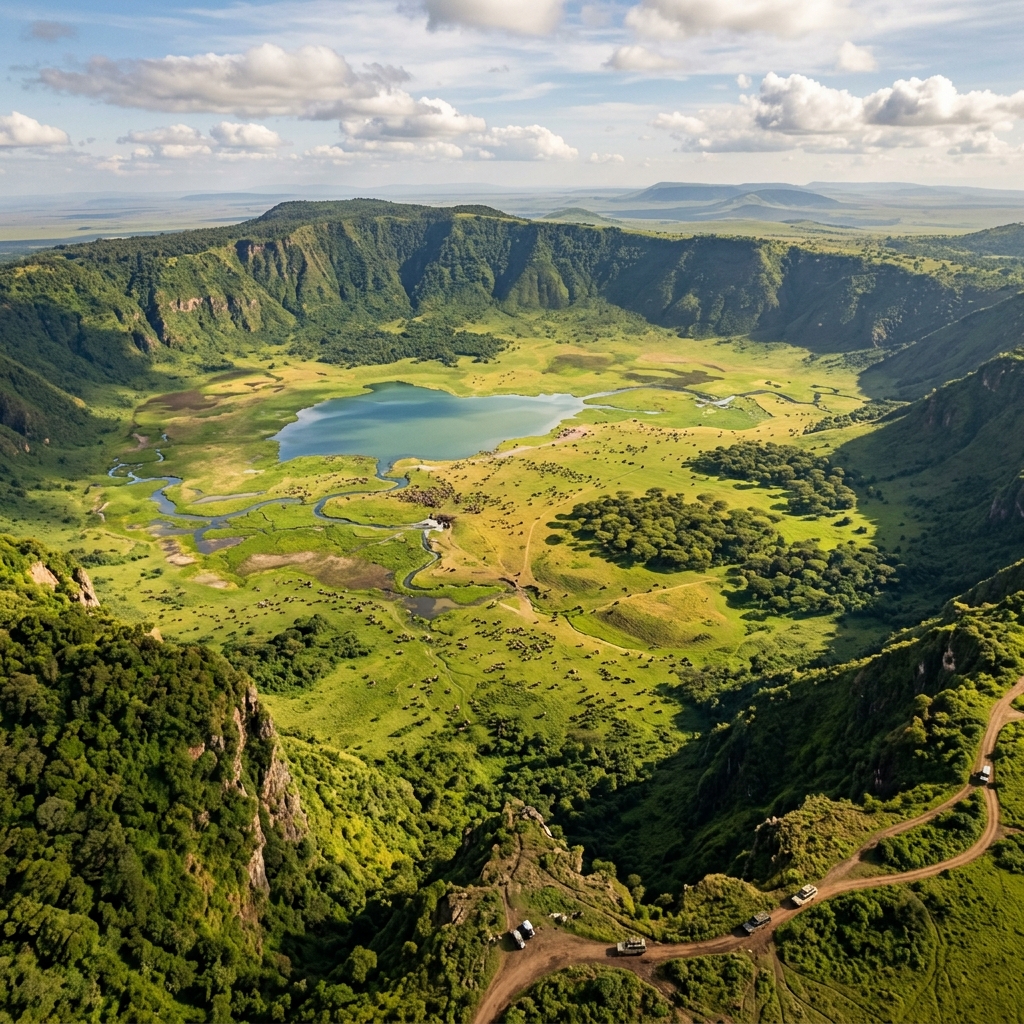
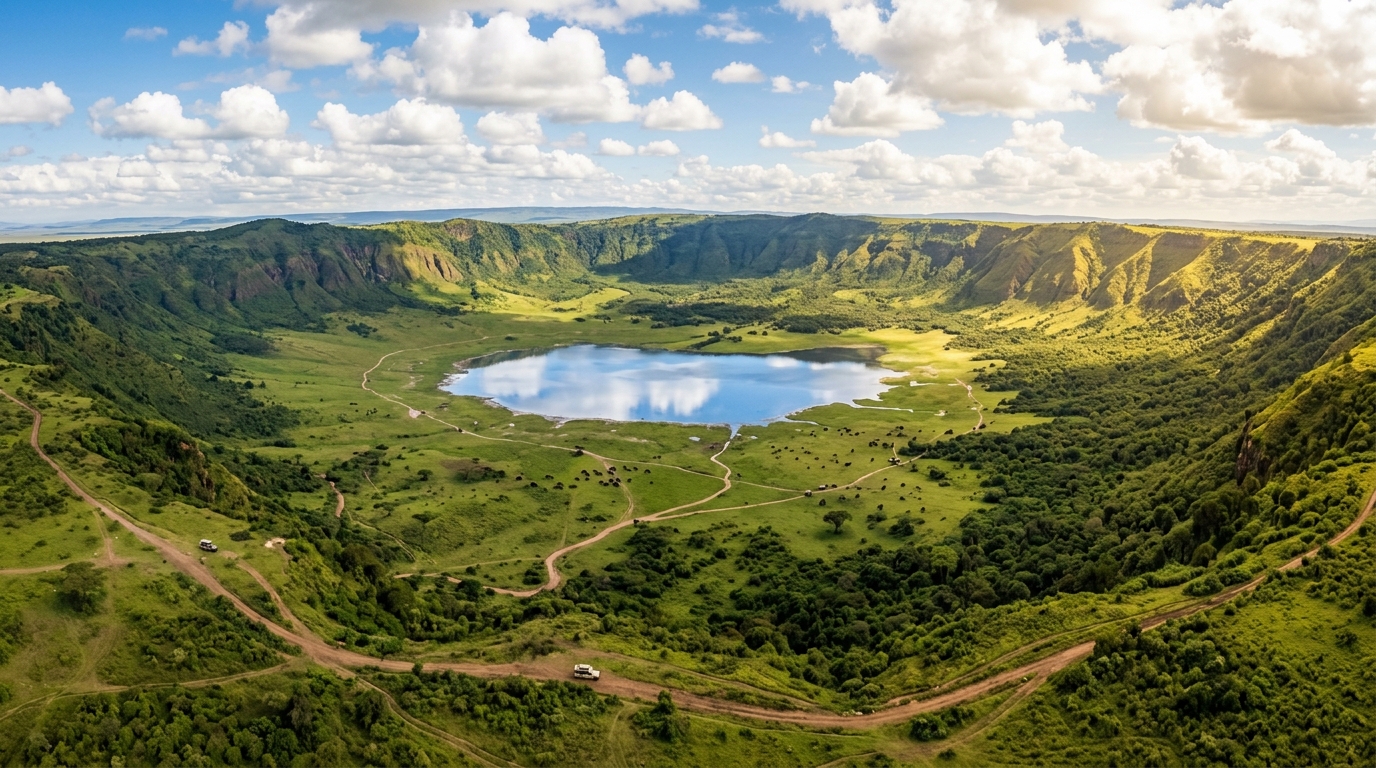
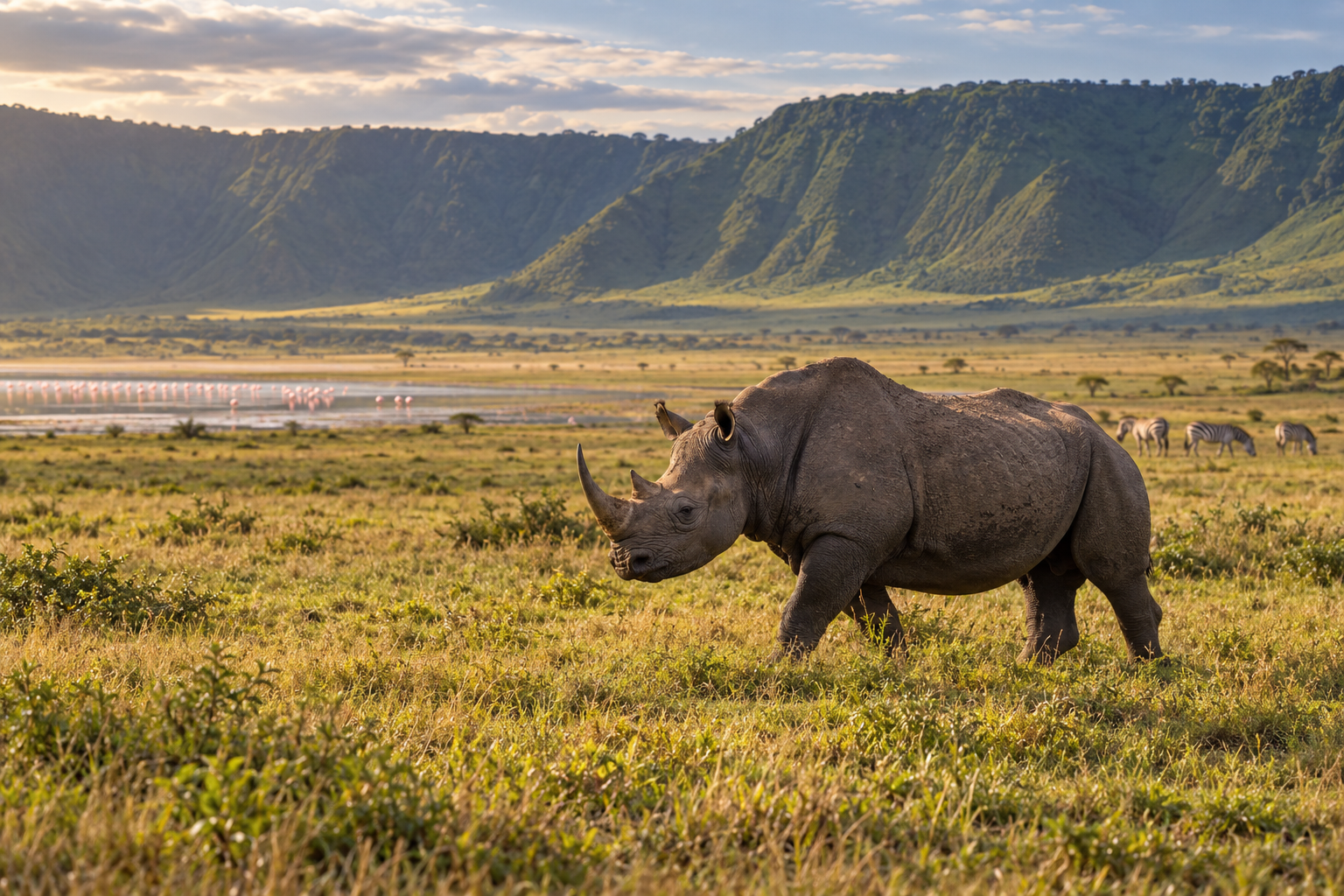
Grasslands, marshes and lakes support an exceptional concentration of wildlife. Look for lions, buffalo, zebra, hippos and the endangered black rhino.
Flamingos gather on the alkaline waters, while diverse habitats offer rewarding birdwatching. The wider conservation area includes Ndutu, known for seasonal wildebeest calving and predator encounters.
Enjoy a game drive on the crater floor, watch wildlife around the wetlands, and pause for sweeping views from the rim. Our team can pair the crater with nearby parks and select camps to suit your pace and travel dates. Wildlife sightings vary naturally.
Crater wildlife viewing is rewarding throughout the year. July–September is a popular travel period; choose dates around your preferred conditions.
January–February is a popular period for calving-season safaris around Ndutu. Combine the crater with nearby plains for varied wildlife encounters.
Crater conditions and wildlife viewing can vary seasonally.
A personalised itinerary built around your budget, travel dates and preferences.